
Preimplantation genetic testing for aneuploidies has grown dramatically in popularity over the past decade. In many clinics, it is now offered — or even recommended — to the majority of IVF patients. The evidence behind it, however, is more nuanced than its commercial promotion typically suggests. Understanding what PGT-A genuinely offers, and where its limitations lie, is essential to making a decision that is right for your situation.
What is PGT-A?
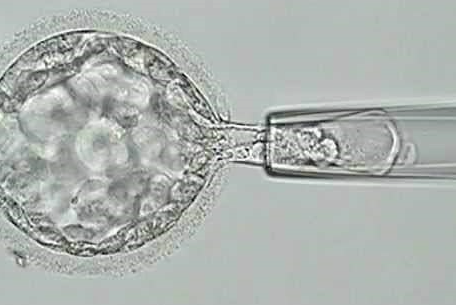
PGT-A analyzes the chromosome composition of embryos through a biopsy typically performed on day 5 or 6 of development, at the blastocyst stage. A small number of cells are removed from the outer layer of the embryo (the trophectoderm, which forms the placenta), and their chromosomes are examined. The goal is to identify embryos that are chromosomally normal — “euploid” — before transfer, reducing the risk of failed implantation and miscarriage associated with chromosomally abnormal embryos.
What the evidence supports
The strongest and most consistent evidence for PGT-A is an increase in the live birth rate per embryo transfer when testing is performed. This is meaningful: comparing tested embryos to untested embryos on a per-transfer basis, PGT-A-selected transfers succeed more often. For patients who want to minimize the number of unsuccessful transfers — whether for emotional, logistical, or financial reasons — this is a real benefit.
There is also evidence supporting a reduction in miscarriage rates and a shorter time to pregnancy when PGT-A is used, which can be particularly important for patients with a history of pregnancy loss or those with limited time.
What the evidence doesn’t support
The most important limitation is one that is frequently underemphasized in clinical practice: there is no evidence that PGT-A increases cumulative live birth rate — that is, the probability of eventually achieving a live birth when all embryos from a retrieval cycle are considered. In fact, some evidence suggests PGT-A may actually decrease the cumulative live birth rate.
The reason is straightforward: the biopsy process itself is not without risk. It involves potential embryo damage and a reduction in the inner cell mass available for development. Additionally, the high false positive rates associated with current testing methods mean that embryos classified as abnormal may in some cases actually have been capable of implanting and developing normally. Those embryos are then discarded or never transferred — narrowing the available pool without improving overall outcomes.
The mosaicism problem
Embryos flagged as “mosaic” — meaning they contain a mixture of chromosomally normal and abnormal cells — represent one of the most significant sources of overdiagnosis in PGT-A. A substantial proportion of mosaic embryos can implant, develop normally, and result in healthy pregnancies. Yet PGT-A results often lead clinicians to deprioritize or discard mosaic embryos, effectively reducing the available embryo pool and potentially prolonging the patient’s treatment journey unnecessarily.
Who benefits most?
PGT-A is most clearly valuable for specific patient profiles: those who want to reduce the number of transfers before achieving success, those who have experienced multiple miscarriages attributed to chromosomal factors, or those who are working against time constraints. It is considerably less clearly beneficial for patients with good ovarian reserve who would have multiple untested embryos available and the time and circumstances to proceed through several transfers.
Shared decision-making
PGT-A is exactly the kind of decision that should be made collaboratively, with full transparency about what is known and what remains genuinely uncertain. There is no universal right answer. The decision depends on your specific situation — your age, your embryo numbers, your history, your values — and on how you personally weigh the tradeoffs between efficiency and the risk of reducing your overall embryo pool. A good physician makes that conversation possible.
“PGT-A can tell you which embryo is most likely to succeed — but it can’t guarantee success, and in some cases it reduces your overall chances by narrowing the pool.”
