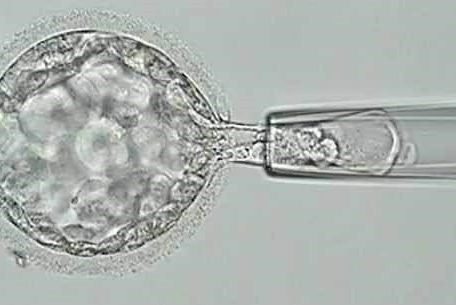
PGT-A (preimplantation genetic testing for aneuploidies) represents a widely adopted diagnostic procedure in fertility clinics globally. While some programs outsource embryo analysis, specialized centers like Fertility Argentina perform testing in-house.
Evolution of the Technology
The procedure has undergone significant transformations. Historically called PGD or PGS, two major shifts have occurred: timing moved from day 3 to day 5–6 (blastocyst stage), and analytical methods evolved through FISH, PCR, arrays, and NGS technologies. Early day-3 biopsies yielded disappointing results, limiting adoption. The ability to reach the blastocyst stage gave the technique renewed momentum, allowing sampling when more cells are present and potential damage is minimized.
Advantages and Disadvantages
Potential Benefits
- Improved embryo selection, reducing unnecessary transfers
- Lowered miscarriage rates
- Shortened time to pregnancy
- Reduced chromosomal abnormality risk (Down syndrome, Edwards syndrome, Patau syndrome)
- Enhanced success in egg donation
Drawbacks
- Does not necessarily increase cumulative live birth rates
- Possible embryo damage affecting implantation
- False positives: some mosaic or rejected embryos may produce healthy births
Clinical Considerations
It is important to know the advantages and disadvantages of this technique and to discuss its usefulness in each particular case with your own doctor.
Benefits typically outweigh drawbacks in repeated implantation failures, treatments for women over 40, egg donation.
Future Outlook
Non-invasive techniques under development may resolve current uncertainties, though routine availability remains pending. The field continues to evolve rapidly, and recommendations are updated as new evidence emerges.