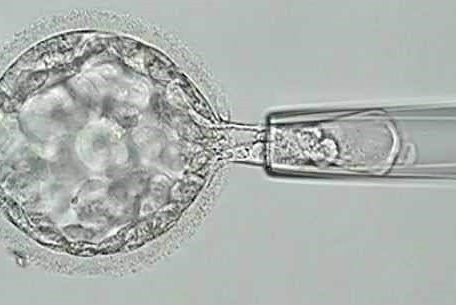
Preimplantation genetic screening (PGS), also known as Comprehensive Chromosome Screening (CCS), has become standard practice in many infertility clinics worldwide. This technique evaluates embryo chromosomes through cell biopsy, genetic analysis, and subsequent transfer of chromosomally normal embryos during assisted reproduction.
The Evolution of Genetic Platforms
Early PGS used FISH technology with inconsistent results. Key limitations included inability to distinguish normal chromosomes from balanced rearrangements and operator-dependent errors in signal interpretation. Many cases failed to evaluate all chromosomes, potentially missing aneuploidies. The field has since evolved substantially:
- Shift to blastocyst-stage biopsies (days 5–6)
- Advanced platforms: microarrays, SNP microarrays, aCGH, and qPCR
- Next-Generation Sequencing (NGS) — now the standard
Key Research Findings
A systematic review identified three randomized controlled trials showing that both the implantation rate and ongoing pregnancy rate per embryo transfer are significantly higher (39% more) with PGS using aCGH or qPCR on day 5–6 biopsies, compared to no testing.
PGS doesn’t necessarily increase live birth rates per cycle — but it accelerates the achievement of pregnancy. This distinction matters when weighing costs and benefits for individual patients.
Clinical Recommendations
- Genetic counseling should precede PGS
- Blastocyst biopsies are preferable to day-3 biopsies
- FISH with day-3 biopsy correlates with lower success rates and should be avoided
- PGS benefits couples with chromosomal translocations
- Informed decision-making regarding technology use is essential