Understanding assisted reproduction statistics helps clarify therapeutic approaches and enables informed treatment selection. The past decade has brought substantial technological advances in fertility treatments, resulting in improved success rates and reduced complications.
Global IVF Figures
- Since Louise Brown’s birth in 1978, over 4 million children have been born via IVF — enough to fill 40 Barcelona FC stadiums
- More than 1 million IVF cycles occur annually worldwide
- Australia & New Zealand: 100,000+ IVF newborns
- Europe: approximately 550,000 IVF newborns
- Latin America: 65,000 IVF newborns
- USA: 1,450,000 IVF newborns
- Over 20% of IVF cycles involve women over 40, with success rates below 20% using their own eggs
Age and Success Rates
Live-birth rates with own eggs decline significantly with age: over 40% in women under 30, around 35% at age 35, approximately 20% at age 40, and below 5% in women over 43. Egg donation maintains consistent success rates regardless of recipient age.
Age is the most significant factor affecting IVF success when using a patient’s own eggs. Egg donation effectively neutralizes this decline.
The Impact of PGS
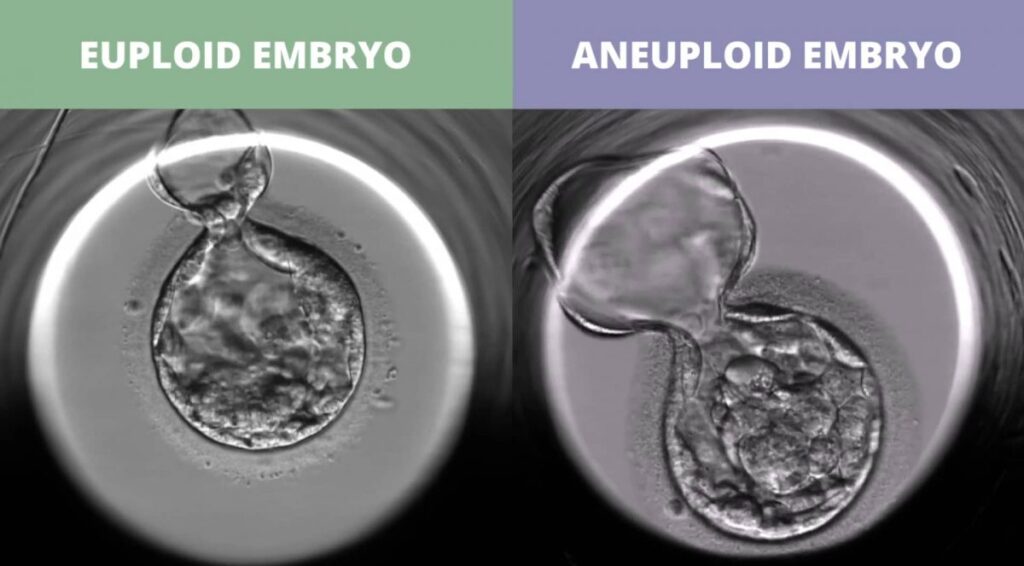
Preimplantation genetic screening increases implantation rates and single-embryo transfer frequency. The proportion of chromosomally normal embryos decreases with maternal age, but the implantation rate of chromosomally normal embryos remains age-independent — a key distinction that guides treatment decisions.
Looking Forward
Improving public awareness about reproductive aging and expanding access to infertility treatments remain critical healthcare objectives globally. Early consultation leads to better outcomes, less emotional burden, and more efficient use of medical resources.