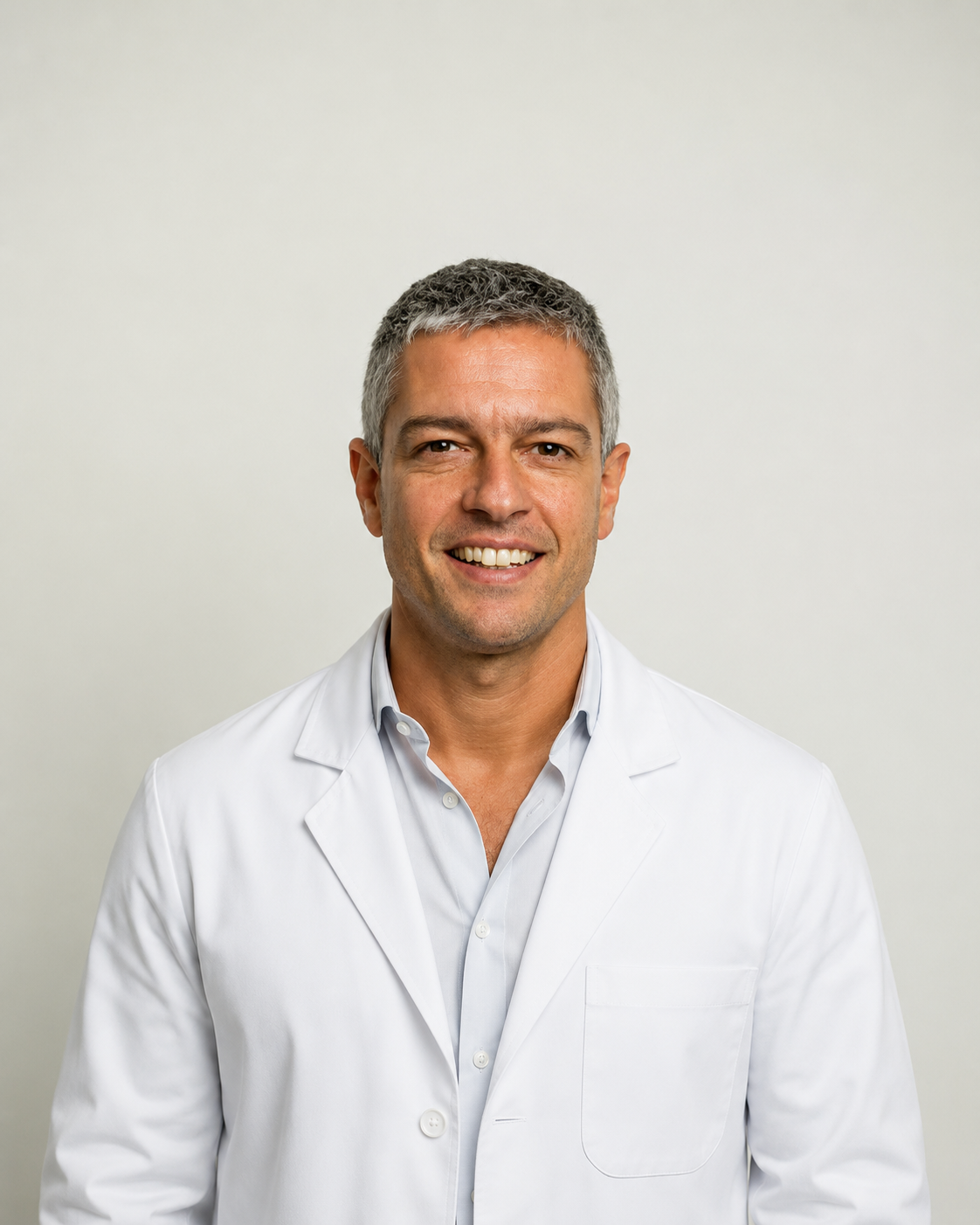
For many women and couples, egg donation represents a turning point — the moment when a path that felt closed begins to open again. But choosing to pursue egg donation abroad adds another layer of complexity. This video, published by Dr. Glujovsky’s team, walks through what the process looks like for international patients who come to Buenos Aires for egg donation at Fertility Argentina.
Who considers egg donation abroad?
Most patients who travel to Argentina for egg donation have already tried other routes: IVF with their own eggs, local donation programs with long waiting lists, or clinics in their home countries that couldn’t offer a viable path forward. They come because Argentina offers a combination of things that is difficult to find elsewhere: a short wait, high success rates, rigorous donor screening, and costs that are sustainable over multiple attempts if needed.
We see patients from the United States, Canada, Australia, New Zealand, the United Kingdom, and across Europe. Some come alone; most come with a partner. Many arrive having spent years navigating a system that didn’t work for them.
How the program works
The egg donation program at CEGYR has been running since 2005. All donors are anonymous and undergo a thorough selection process: medical history, genetic screening, psychological evaluation, and blood tests. Matching is based on physical characteristics and blood type.
The typical process for an international patient:
- Initial consultation — by video call with Dr. Glujovsky to review your history and confirm the indication for egg donation
- Remote preparation — endometrial preparation (estrogen + progesterone) is coordinated with a local provider or monitored remotely
- Travel to Buenos Aires — typically 7 to 10 days before the transfer
- Transfer and monitoring — embryo transfer at CEGYR, followed by monitoring until the first beta hCG test
- Return home — most patients travel home shortly after the transfer and continue care with their local OB-GYN once pregnant
What to expect in terms of success rates
Egg donation has the highest success rates of any assisted reproduction option: at CEGYR, cumulative success rates for egg donation exceed 60% per cycle. For women who have had repeated IVF failures with their own eggs, the difference is often striking — the limiting factor for most was egg quality, and donor eggs remove that variable.
Dr. Glujovsky is direct about expectations during the initial consultation. He explains what the realistic probability is for each patient’s specific situation and what factors influence the outcome.
The waiting list
One of the most common reasons international patients choose Argentina is the short wait. In Australia, waiting lists for donor eggs can stretch to 2–5 years. In the UK, waits are similarly long. In Argentina, the typical wait is 2–3 months.
Language and logistics
Dr. Glujovsky is fully bilingual. The initial consultation, all follow-up communication, and the transfer itself are managed in English for international patients. Buenos Aires is an easy city to navigate — international flights connect directly to Ezeiza airport, the clinic is centrally located in Recoleta, and accommodation options abound at all price points.