Preimplantation genetic testing for aneuploidies (PGT-A) has become increasingly common in IVF cycles over the past decade. Like most advances in medicine, it has real benefits — and real trade-offs worth understanding.
What is PGT-A?
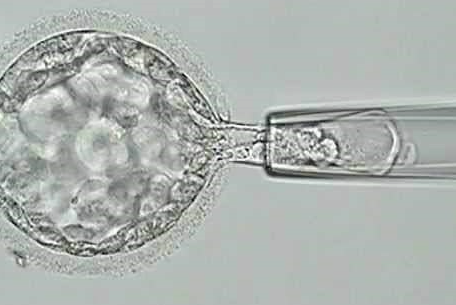
PGT-A analyzes the chromosomal constitution of an embryo by performing a biopsy, usually on day 5 or 6 of development (blastocyst stage). The goal is to identify embryos with the correct number of chromosomes (euploid) and avoid transferring chromosomally abnormal ones (aneuploid).
What does the evidence support?
The strongest evidence for PGT-A is a higher live birth rate per embryo transfer — meaning if you transfer one embryo, the chance of it resulting in a baby is higher when it has been tested and confirmed euploid.
Evidence is weaker or limited for other outcomes:
- Reduction in miscarriage rate
- Reduction in chromosomally abnormal pregnancies
- Time to pregnancy
Importantly, there is no evidence of benefit on cumulative live birth rate — meaning if you have multiple embryos, your overall chance of eventually having a baby is not clearly improved by testing all of them.
What are the concerns?
The main concerns are:
- Embryo damage: Although the damage rate from biopsy is low, there is potential reduction in the inner cell mass — the cells that form the fetus.
- False positives: The accuracy of the technique, particularly regarding mosaicism, is not perfect. Normal embryos can be mistakenly classified as abnormal and discarded.
- Mosaicism overdiagnosis: Mosaicism — when an embryo contains both normal and abnormal cells — is often flagged as a reason not to transfer. But evidence suggests overdiagnosis is common, leading to discarding viable embryos, particularly harmful for patients with few embryos available.
How should patients and doctors approach this decision?
PGT-A should be a shared decision — not a default recommendation. Patients deserve to understand:
- The current scientific discussion and its uncertainties
- How PGT-A applies to their specific situation (age, embryo count, history)
- The known risks alongside the potential benefits
There is no single right answer. The right answer depends on your values, your history, and an honest conversation with your doctor about the evidence.
This is a topic actively debated at major reproductive medicine conferences. We stay current so you get accurate, up-to-date guidance — not yesterday’s consensus.