
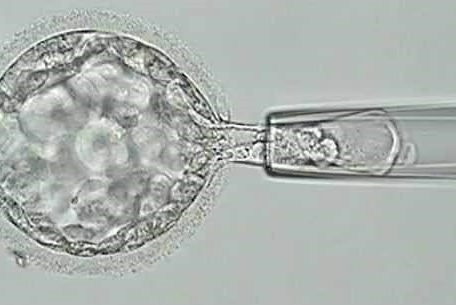
IVF programs have advanced significantly over recent decades — better embryo culture techniques, improved cryopreservation, and chromosomal screening. Despite these advances, the embryo transfer procedure itself remains critically important. A technically excellent embryo transfer can be the difference between success and failure.
Key Variables Affecting Transfer Success
- Type of catheter utilized (soft vs. rigid)
- Volume and composition of transfer media
- Use of ultrasound guidance
- Atraumatic technique execution
- Avoidance of tissue trauma
- Proper timing and syringe pressure management
Best Practices
Positioning the catheter tip in the uterine mid-cavity represents the optimal placement strategy. Soft catheters outperform rigid alternatives, though they demand greater skill. Ultrasound guidance during transfer is essential for improving success rates and should be considered standard practice, not an add-on.
What Doesn’t Help
Contrary to common practice, patient bed rest following transfer provides no measurable benefit. Similarly, instructing patients to remain bedridden for subsequent days offers minimal value — patients can resume normal activity immediately.
The Bottom Line
Embryo transfer, though brief and outwardly straightforward, demands meticulous execution. Proper technique significantly influences pregnancy outcomes, requiring coordinated effort among the physician, laboratory staff, and clinical personnel. When selecting a fertility clinic, ask about their transfer protocols — it matters more than most patients realize.

