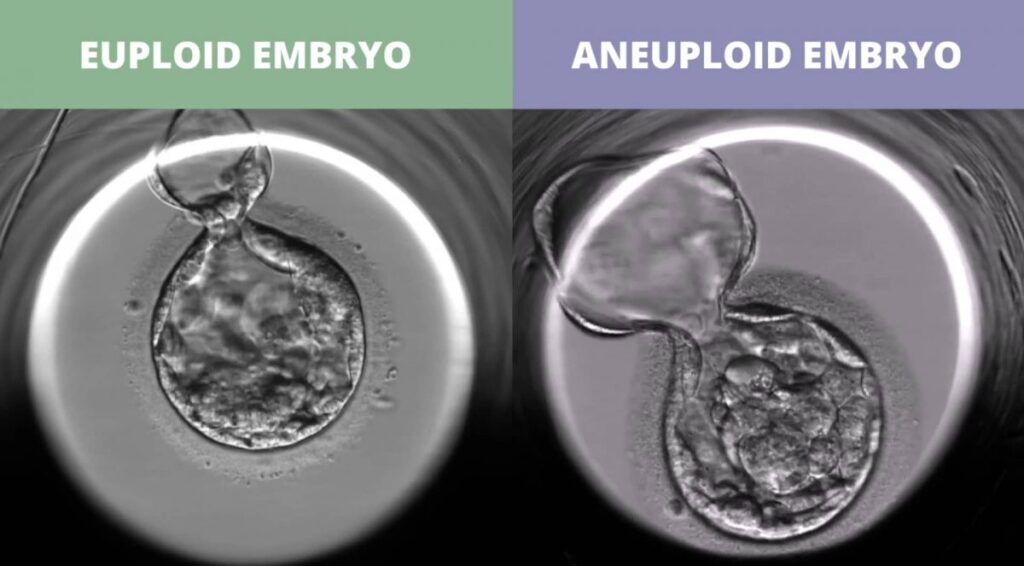
A study published by Santiago Munné examined how controlled ovarian stimulation affects embryo quality. While multiple factors contribute to varying success rates among fertility practitioners, one specific area stands out: the stimulation protocol selected by the physician.
Not Just the Laboratory
Previous research demonstrated that certain IVF programs produce higher frequencies of chromosomally normal embryos than others. Scientists had attributed this to laboratory differences — noting that “embryo labs are all very different, and that the gases, incubators and temperatures to which embryos are exposed in the laboratory can impact the development of those embryos.”
The Munné study revealed an important additional finding: the type of controlled ovarian stimulation protocol selected can influence the proportion of euploid (normal) embryos produced. This indicates that physicians, through their choice of stimulation protocols, directly impact success outcomes — not laboratory conditions alone.
What This Means for Patients
Selecting appropriate stimulation protocols combined with high-quality laboratory practices contributes significantly to treatment success — and helps explain why outcomes can vary so much between clinics and individual doctors.
While acknowledging that current evidence levels require higher-quality confirmatory studies, this research identifies stimulation protocol choice as one important explanation for differential success rates. Patients choosing a fertility center should ask about both laboratory quality and the physician’s approach to stimulation.