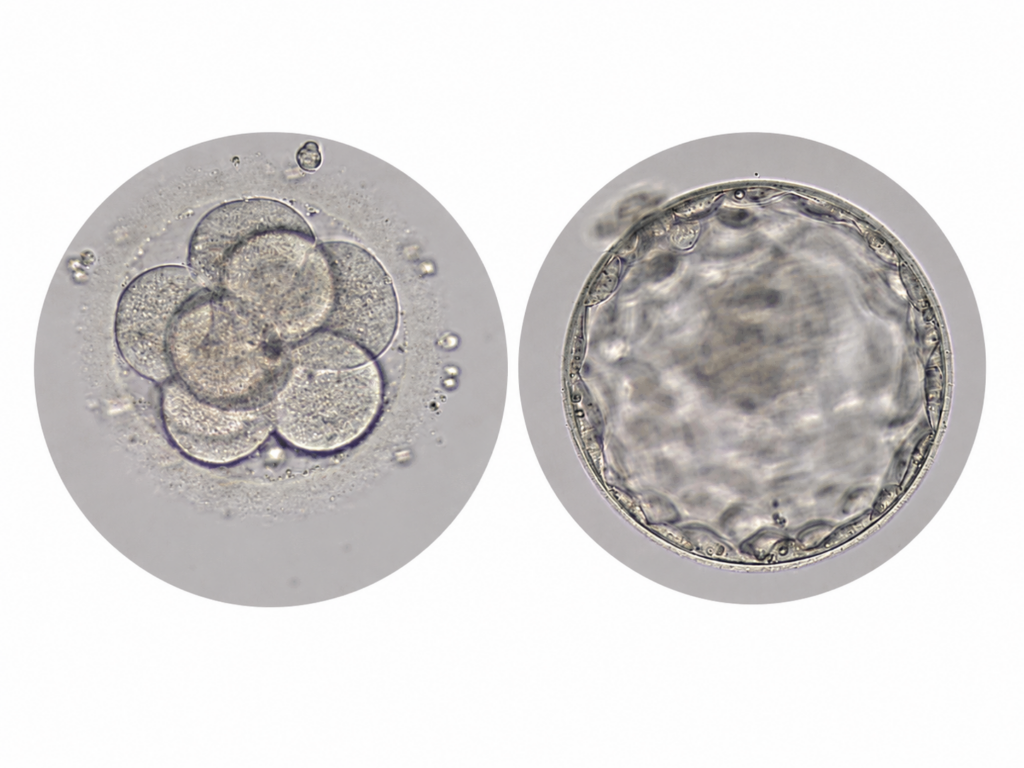
Dr. Glujovsky has published multiple papers examining the advantages of blastocyst-stage embryo transfers. In 2016, he authored a Cochrane systematic review and subsequently published a second review in Fertility & Sterility addressing this topic.
What the Evidence Shows
The evidence indicates that blastocyst transfer increases the live birth rate, with moderate quality evidence showing higher clinical pregnancy rates compared to day 2–3 transfers.
Why Blastocyst Transfer May Be Superior
Not all embryos progress to blastocyst stage by day 5 — most reach day 2–3. Selecting blastocyst-stage embryos means choosing from a more viable pool. When implantation rates improve with blastocysts, clinicians can transfer fewer embryos, reducing multiple pregnancy risks while maintaining success rates and minimizing perinatal complications.
Additionally, freezing blastocysts allows clinicians to preserve only the most developed embryos, potentially reducing costs and improving frozen transfer outcomes.
Laboratory Requirements
Achieving strong blastocyst development rates requires a modern laboratory, advanced culture media, and experienced embryologists. The lab is not a commodity — it is a critical determinant of outcome.
After implementing blastocyst-stage transfers in our egg donor program, clinical pregnancy rates increased from 50–55% to 60–65% — a direct result of laboratory investment and protocol refinement.